Every hour, even if no one in your house is using hot water, your water heater is quietly costing you money. Traditional tank systems reheat the same stored water repeatedly, burning energy around the clock whether you need it or not. That standby heat loss adds up to thousands of wasted heating cycles every year, and most homeowners don’t even realize it until they switch. Residential tankless water heaters eliminate that waste entirely, but the switch comes with realities that most installation guides conveniently leave out. Alpine Plumbing has spent over 23 years helping homeowners across Snohomish, Skagit, and Island Counties make smarter plumbing decisions, and this is the honest version of that conversation.
This blog covers what daily life with a tankless hot water system actually looks like, the real benefits, the overlooked frustrations, the maintenance most people skip, and how to know if it’s genuinely worth it for your home.
How Tankless Water Heaters Change Everyday Hot Water Usage
The shift from a tank to an on-demand water heater isn’t just mechanical; it changes how your household interacts with hot water entirely. Most people notice it within the first week.
1. The End of Running Out, With One Catch
Tankless vs traditional water heater performance differs most during peak morning hours. Tank systems store a fixed volume; once that’s depleted, you wait. Tankless units continuously heat water as it passes through, so you won’t need to schedule back-to-back showers.
The catch? There’s a short delay before hot water reaches your tap, especially in larger homes. Cold water sitting in the pipes has to clear first. It’s not a defect, it’s physics. A recirculation pump eliminates this if it becomes genuinely bothersome, but most households adjust without one.
2. The “Cold Water Sandwich” Nobody Warns You About
Back-to-back draws with a short pause between them can produce a brief surge of cold water sandwiched between two hot streams. The unit shuts down for the pause, and when it starts up again, that pocket of unheated water comes out the tap. It’s temporary. It’s harmless. But if you weren’t expecting it, it can be surprising.
The Unexpected Benefits Homeowners Notice After Switching
The advertised tankless water heater benefits, energy savings, and endless hot water are real. But a few others catch homeowners off guard.
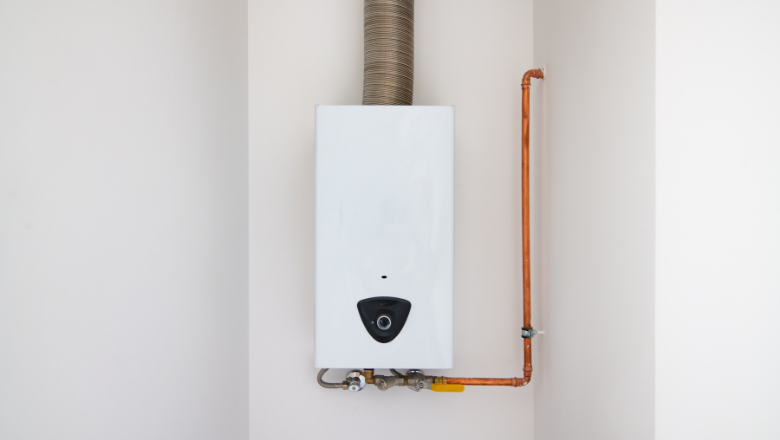
Wall-mounted compact water heater systems free up lots of floor space. Utility rooms, closets, and garages suddenly feel usable again. Beyond that, water heater energy savings are measurable: the U.S. Department of Energy estimates 24–34% energy reduction for homes using under 41 gallons daily. Higher-usage households still see 8–14% savings.
Tankless water heater lifespan is another underappreciated advantage. Most units last more than 20 years, almost twice the lifespan of a conventional tank. And that makes a difference when you are determining the actual long-term value of the investment.
Switching to tankless doesn’t just change how you heat water; it changes how much of your money disappears heating water you never use.
Common Tankless Water Heater Complaints and Frustrations
Honest information upfront prevents costly regret later. Tankless water heater problems are rarely catastrophic, but they’re also rarely discussed before the sale.
What Actually Goes Wrong
Common tankless water heater issues tend to cluster around three things: sizing, water quality, and ignored maintenance. A unit sized too small for household hot water demand will drop temperature under simultaneous loads, such as two showers, and a running dishwasher can overwhelm an undersized system. Hard water deposits build up inside the heat exchanger, silently choking off efficiency. And digital display error codes that are ignored without investigation have a way of becoming repair calls six months later.
Problem | Root Cause | What Happens If Ignored |
| Temperature drop under load | Undersized unit | Permanent performance frustration |
Mineral buildup | Hard water, skipped maintenance | Heat exchanger failure |
| No ignition at low flow | Below minimum threshold | Unit won’t activate |
Cold water sandwich | Back-to-back draws | Startling but harmless |
Tankless water heater repair calls are almost always traceable back to one of these three causes. Most are preventable.
Why Maintenance Matters More Than Most People Realize
This is the part of the tankless water heater installation conversation that gets the least attention and causes the most regret.
Tankless water heater maintenance is non-negotiable. Descaling tankless water heater components annually removes mineral deposits before they restrict flow and force the heat exchanger to overwork. This task becomes even more critical in areas where the groundwater is harder. Quiet failure points that become expensive problems are a clogged inlet filter screen, a dusty air filter, or a pressure relief valve that’s never been tested in years.
Annual Maintenance Checklist
- Flush and descale the heat exchanger.
- Clean or replace the air filter.
- Inspect and clear the inlet filter screen.
- Test the pressure relief valve.
- Check for error codes and unusual operating sounds.
Water heater maintenance tips are easy to follow; the problem is that most homeowners assume the system is fine because the hot water keeps coming. It will keep coming, right up until it doesn’t.
A maintained tankless unit lasts 20+ years. A neglected one may not make it to 10.
Understanding Flow Rate Limits and Household Demand
Hot water flow rate calculated in gallons per minute is the specification that determines whether a tankless system actually meets your household’s needs, and it’s the one most commonly undersized.
Sizing It Right the First Time
Gas tankless water heater models typically deliver higher GPM than electric tankless water heater units, making them the standard choice for whole-house coverage. However, GPM output is also a function of incoming groundwater temperature. In colder climates, the effective output is reduced as more effort is needed to heat the vehicle. A unit rated at 8 GPM in the summer may deliver less in the deep winter months.
Fixture | Typical GPM Draw |
| Shower | 1.5 – 2.5 |
Kitchen faucet | 1.0 – 1.5 |
| Dishwasher | 1.0 – 1.5 |
Washing machine | 1.5 – 3.0 |
Running two showers and a dishwasher simultaneously means your unit needs to handle 4–7 GPM without temperature loss. Professional water heater installation includes this calculation; guessing it on your own usually means living with the consequences.
Is a Tankless Water Heater the Right Long-Term Investment?
Energy-efficient water heaters make the most financial sense when three conditions are met: the unit is correctly sized, professionally installed, and consistently maintained. Take away any one of those three, and the math changes dramatically.
Home plumbing upgrades that include switching to a whole-house hot water solution deliver the best returns for households with high or unpredictable demand, homes where floor space is limited, and properties where the existing tank is aging toward replacement anyway. If a functioning tank was recently installed, the payback period extends, though the tankless water heater lifespan advantage still applies over time.
Modern water heating systems are not one-size-fits-all. Hot water performance depends entirely on matching the right unit to the right home with the right installation.
The Decision Comes Down to This
Residential tankless water heaters eliminate standby energy loss, outlast traditional tanks by nearly a decade, and deliver water heater energy savings that compound over years of use. The tankless water heater benefits are substantial, but only when the system is properly sized, the tankless water heater installation is completed correctly, and tankless water heater maintenance is treated as an annual commitment rather than an afterthought.
Alpine Plumbing has served homeowners across Snohomish, Skagit, and Island Counties, including Burlington, Marysville, Stanwood, and Mount Vernon, for over 23 years. Whether you are looking for tankless water heater service, tankless water heater repair, descaling, tankless water heater maintenance, or full system replacements, our licensed team handles everything involved in the job with the care and precision your home deserves.
If you’re ready for honest answers about whether a tankless hot water system is right for your home, call Alpine Plumbing today at (360) 939-2424.
