
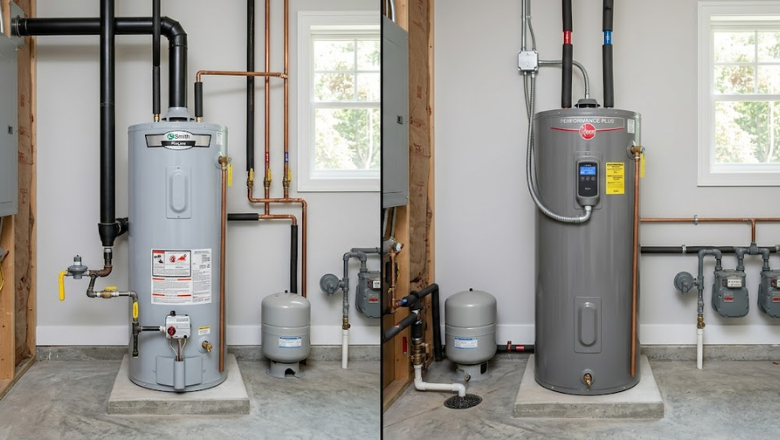
Every year, thousands of homeowners replace water heaters they chose wrong the first time, paying twice for a decision that should have been made once. The wrong unit doesn’t just underperform; it quietly drains your energy budget, struggles to meet your household’s demand, and fails years before it should. When it finally gives out, it rarely does so at a convenient time. At Alpine Plumbing, we’ve helped homeowners across Snohomish, Skagit, and Island counties make this decision the right way, and we’re sharing what we know.
This blog breaks down the real differences in the gas vs electric water heaters debate, how they work, what they actually cost to run, where each one fails, and how to pick the right one for your home without second-guessing yourself later.
How Gas and Electric Water Heaters Work
Most homeowners assume both types do the same job the same way. They don’t. That difference can affect everything from your utility bill to how quickly you run out of hot water on a busy morning.
1. Gas Water Heaters
Natural gas water heaters fire a burner at the tank’s base, pushing water temperature up quickly, which is why recovery time is one of their strongest selling points in busy households. That speed comes with a requirement: an active gas line and a properly routed flue to exhaust combustion gases outside. Without both in place, installation gets more involved.
2. Electric Water Heaters
The electric hot water tank relies on one or two submerged heating elements to warm stored water. No venting is needed, which makes placement more flexible. Standard electric models take longer to heat than gas models, but modern heat pump versions, which pull warmth from the ambient air, are another matter. They’re among the most energy-efficient water heaters available and are changing how homeowners think about going electric.
Comparing Energy Efficiency and Monthly Operating Costs
This is where the decision gets real. Water heater energy costs aren’t just about the unit price; they’re about what you’ll pay every single month for the next decade.
Standard electric water heaters typically carry higher water heater operating costs than gas in most U.S. regions, where natural gas rates tend to be lower per unit of energy. However, heat pump electric models consume up to 70% less energy than conventional electric tanks, according to ENERGY STAR data, which flips the math entirely.
Water heater efficiency ratings, measured as Uniform Energy Factor (UEF), tell you exactly how efficiently a unit converts energy into hot water. The higher the UEF, the less you’re wasting.
Type | UEF Range | Relative Operating Cost |
| Standard Gas Tank | 0.58–0.70 | Moderate |
Standard Electric Tank | 0.90–0.95 | Higher |
| Heat Pump Electric | 2.0–3.5 | Lowest |
Tankless Gas | 0.82–0.96 | Low–Moderate |
Most homeowners spend more on water heating than they realize, and they’re using a unit that was never the right fit for their home.
Installation Requirements and Upfront Costs to Consider
The cost of water heater installation isn’t just the unit. It’s what your home already has, and what it doesn’t.
Gas water heater installation requires an active gas line, proper exterior venting, and strict code compliance. In homes without existing gas infrastructure, adding it significantly increases the project scope. Electric water heater installation is structurally simpler but demands a dedicated 240-volt circuit, and in older homes, that may mean an electrical panel upgrade before anything else happens.
Professional water heater installation matters here more than people expect. Carbon monoxide hazard with improperly vented gas units. An electric unit’s electrical circuit that is too small is a fire hazard. Neither result is cheaply recoverable. Alpine Plumbing will perform a complete analysis of your current plumbing and energy systems so you won’t have any surprises when the work starts.
What Affects Your Installation Scope
- Existing gas line availability
- Electrical panel capacity
- Venting access and route
- Unit size relative to household demand
- Local building code requirements
Which Water Heater Provides Faster and More Reliable Hot Water?
Gas water heaters recover faster. It takes about twice as long to reheat a full supply in a conventional electric model as it does in a standard gas tank. For multi-bathroom households running multiple showers at once, or two people showering back to back in the morning, that recovery rate is the difference between comfort and complaints.
Electric water heaters work well for smaller households where demand is spaced throughout the day. Tankless electric units eliminate the recovery question entirely by heating water on demand, but they require significant electrical capacity to run effectively.
Reliable hot water systems are built around your actual usage pattern, not the average household’s. A family of five in Stanwood has different needs than a two-person household in Burlington, and the right unit reflects that.
Safety, Maintenance, and Lifespan Differences
Ignore this section, and your water heater will remind you it exists at the worst possible moment.
Safety by Fuel Type
Water heater safety considerations differ sharply between gas and electric. Gas units carry combustion risks; a failing flue, a cracked heat exchanger, or a gas connection issue can create carbon monoxide exposure. Electric units eliminate combustion entirely, making them inherently safer in enclosed or poorly ventilated spaces, though faulty wiring introduces its own risks.
Maintenance That Actually Extends Lifespan
Water heater maintenance tips that most homeowners skip, and regret:
- Annual tank flush: Sediment buildup is the single biggest cause of early failure and efficiency loss
- Anode rod inspection every 2–3 years: This sacrificial rod prevents tank corrosion; neglecting it shortens tank life dramatically
- Pressure relief valve test: A failing valve is a safety hazard, not just a maintenance issue
- Burner and flue inspection (gas units): Annually, without exception
Skipping maintenance doesn’t just void warranties. It accelerates deterioration. A unit that should last 12 years fails at 7, and water heater repair services for a neglected tank often cost more than the repair is worth. Water heater replacement becomes the only option, and it happens on the unit’s schedule, not yours.
Type | Average Lifespan (Well-Maintained) |
| Gas Tank | 8–12 years |
Electric Tank | 10–15 years |
| Tankless (either fuel) | 15–20+ years |
Your water heater has a lifespan. Whether you get all of it or half of it comes down to maintenance.
Choosing the Right Water Heater for Your Home and Lifestyle
The best water heater for home use isn’t a universal answer; it’s a match between the unit’s strengths and your household’s actual demands. Here’s a straightforward way to think about it.
Go with a gas water heater if your home already has an active gas line, you have a large household with high simultaneous demand, and fast recovery is non-negotiable. Gas water heater benefits are most clearly seen in homes with high water use that are already equipped with the proper infrastructure.
Go with an electric water heater if you don’t have gas in your house, are considering a heat pump model for efficiency over the long run, or have a moderate hot water demand in your household. Electric water heater benefits are strongest when the right model is matched to the right usage pattern.
Modern water heating solutions, including hybrid heat pump units and tankless systems, are worth serious consideration regardless of fuel type. Among all tank water heater options, these represent the most meaningful efficiency upgrades available today. A proper hot water system comparison between these options, done before purchase, saves years of regret.
The Bottom Line on Gas vs. Electric Water Heaters
The water heater comparison most homeowners make at the hardware store, based on price tag alone, is the wrong one. Gas water heater vs electric performance differences are real, and they compound over the years of use. The right home water heating systems decision accounts for your home’s infrastructure, your household’s daily demand, your energy costs, and how long you plan to stay in the home.
Alpine Plumbing has been serving homeowners across Snohomish, Skagit, and Island counties for over 23 years. Whether you’re in Mount Vernon, Marysville, Burlington, or Stanwood, our licensed team handles residential water heaters of every type, from full water heater installation on new builds to water heater replacement on units that have finally given out. We assess your home first, recommend what actually fits, and install it to code with documentation to protect your warranty.
Don’t wait for a cold shower to make this decision. Call or text Alpine Plumbing at (360) 939-2424, and get it right the first time.
