Water bills have a sneaky way of creeping up on you. One month, everything seems normal, and the next, you’re staring at a number that makes no sense. Meanwhile, somewhere in your house, water’s trickling away—through a worn valve, a loose connection, or a pipe you can’t even see.
Homes across areas like Stanwood deal with water-wasting plumbing issues every single day without realizing it. A drip here, a running toilet there. These things don’t announce themselves with sirens and flashing lights. They just quietly add zeros to your bill.
Here’s what makes this frustrating: most home plumbing inefficiency problems are fixable once you know they exist. This blog shows you where water typically escapes, why it happens, and what you can actually do about it.
Why Water Efficiency Matters for Homeowners
Water-efficient plumbing isn’t just about being environmentally conscious. It’s about not throwing money away for no reason.
How Water Waste Impacts Utility Bills
One drip per second doesn’t sound like much. You barely hear it. But that drip runs while you’re sleeping, at work, on vacation—never stopping. Over a year, it adds up to thousands of liters down the drain. Literally.
Now throw in a toilet that keeps running, fixtures from 2005, maybe a slow leak under the slab you don’t know about yet. Suddenly, you’ve got multiple high water bills working together to wreck your budget.
Check out what these common problems actually cost you:
What’s Broken | Water You’re Losing Every Year |
| One dripping faucet | 11,000+ liters |
Toilet that won’t stop running | 15,000+ liters |
| Hidden leak in your foundation | 30,000+ liters (sometimes much more) |
Shower valve that’s worn out | 8,000+ liters |
These aren’t made-up scare numbers. Government water agencies track this stuff. And when you’ve got two or three of these happening at once? Your bill reflects it.
Environmental Impact of Plumbing Inefficiencies
Beyond what you’re paying, there’s the bigger picture. Every drop of water reaching your tap required energy—to pump it, clean it, sometimes heat it. When water-efficient plumbing fails, and water is wasted, all that energy is wasted, too.
Fixing leaks and upgrading fixtures means you’re using fewer resources that are genuinely limited. Especially in areas where water scarcity already creates problems, home efficiency actually matters.
Common Plumbing Inefficiencies in Homes
Let’s talk about where water actually escapes and why you should care.
Leaky Faucets and Showerheads
That bathroom faucet that drips every few seconds? Yeah, it’s costing you. A lot more than you’d think. One drip per second wastes enough water annually to fill a backyard pool.
Older showerheads make things worse because they were built before anyone cared about flow rates. They just blast water.
What’s going wrong:
- Rubber washers wear out and stop sealing
- Old fixtures never had water-saving tech to begin with
- Corrosion creates tiny gaps where water sneaks through
Getting a leaky faucet repair done usually takes less time than your morning coffee and costs way less than the water you’re losing.
Running or Inefficient Toilets
Toilets eat up about 30% of the water your household uses. When the parts inside start failing, your toilet either runs nonstop or randomly refills throughout the day. Most people tune it out because it just becomes background noise.
Red flags:
- Water keeps trickling after you flush
- Tank refills when nobody’s even home
- You have to jiggle the handle to make it stop
Usually, it means the flapper’s shot, the fill valve’s busted, or mineral buildup is preventing things from sealing right.
Outdated Plumbing Fixtures
Stuff installed 15-20 years ago wasn’t designed with efficiency in mind. Those fixtures use more water per minute, degrade faster, and develop small leaks that gradually worsen. Swapping them for low-flow plumbing fixtures gives you instant results—same pressure, way less water.
Hidden Pipe Leaks
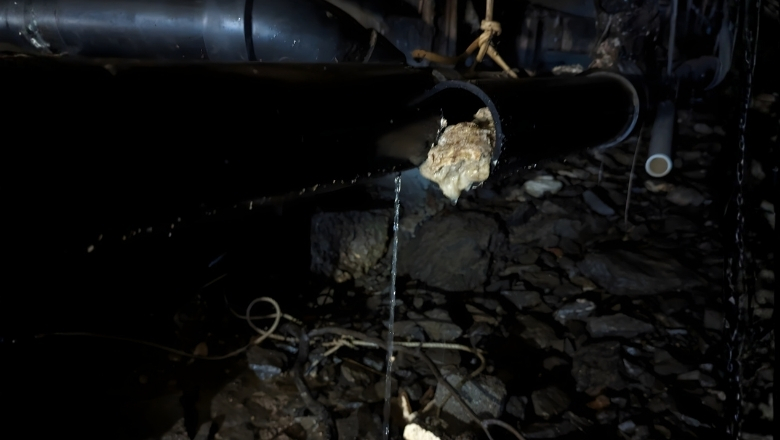
The worst problems are the ones you can’t see. Pipes behind drywall, buried under slabs, tucked in crawl spaces—they can leak for months before you catch on. By that point, you’re dealing with more than just wasted water.
Signs that hidden leaks are increasing water bills:
- Your water meter shows usage that makes no sense
- Walls or ceilings have damp spots or weird discoloration
- Mold shows up where it shouldn’t
- You hear water running when everything’s turned off
Catch these high water bill causes early, and you avoid structural damage plus repair bills that’ll make you cry.
Inefficient Water Heaters
Water heaters work harder than almost anything else in your house. Old tank models keep reheating the same water even when you’re not using it. That’s wasted energy and wasted water as people stand around waiting for hot water to travel from the tank to the faucet.
Newer options heat water only when you need it, cutting out all that standby waste.
Signs Your Home May Be Wasting Water
Not sure if you’ve got problems? Here’s what to watch for.
High Water Bills Without Increased Usage
Your bill jumps 30%, but nothing changed in your routine? That’s not random. When signs your home is wasting water start showing up on the paper, something’s definitely wrong. Pull up your past few bills and compare—big spikes don’t just happen.
Constant Sound of Running Water
Stand in your house when everything’s off. Really listen. Hear that faint hiss or trickle in the background? That’s water going somewhere it shouldn’t. It could be a toilet. It could be a valve. It could be a leak you haven’t found yet. Whatever it is, it’s costing you.
Poor Water Pressure or Temperature Inconsistency
Shower pressure drops halfway through? Hot water takes forever to show up or keeps fluctuating? These point to:
- Pipes clogged or corroded from the inside
- Pressure regulators are starting to fail
- Water heater struggling to do its job
Each one makes your system less efficient and drives up consumption.
Plumbing Upgrades That Improve Water Efficiency
Good news: fixing this stuff pays off fast.
Low-Flow Fixtures and Toilets
Modern fixtures prove you don’t need to sacrifice anything to save water. Today’s water-efficient toilet upgrades use 20-60% less water per flush while still clearing everything properly. Low-flow faucets and showerheads work the same—smarter design, way less waste.
Quick breakdown:
What You Upgrade | Water You Save Yearly | How Fast It Pays Off |
| Low-flow toilet | 13,000+ liters | 1–2 years |
Low-flow showerhead | 11,000+ liters | Under a year |
| Faucet aerators | 6,000+ liters | 6–12 months |
High-efficiency washer | 32,000+ liters | 2–3 years |
Those numbers are averages. Depending on how old your current stuff is and how much you use it, you could save even more.
Tankless or High-Efficiency Water Heaters
Tankless models heat water only when you need it, instead of keeping 150+ litres hot all day. No standby heat loss. Instant hot water. These systems last longer and qualify as energy-efficient plumbing solutions, often eligible for utility rebates.
Pipe Repairs and Replacements
Old pipes corrode, crack, and develop weak points. Swapping out problem sections with modern materials stops leaks before they explode into disasters. Materials like PEX and copper handle corrosion way better than old galvanized steel.
Smart Leak Detection Systems
Technology’s gotten crazy good at catching leaks the second they start. Smart meters and leak sensors watch your water flow nonstop, pinging your phone when something looks off. These give you long-term water-saving solutions by catching small problems before they become catastrophic.
How a Professional Plumber Can Help Reduce Water Waste
DIY works great for obvious stuff. But a lot of inefficiencies hide in places you’ll never find without the right tools and experience.
A trained plumber spots problems you’d walk right past:
What You Actually Get from a Professional Plumbing Efficiency Check:
- Full leak detection across your entire system—not just the pipes you can see under the sink, but behind walls, beneath slabs, in crawl spaces you didn’t even know existed.
- Pressure and flow testing at different points to figure out if water (and your money) is disappearing somewhere in the lines
- Inspection of how every fixture actually performs—measuring how much water your showerheads, faucets, and toilets use compared to how much they’re supposed to use
- Checkup on pipe condition and water heater health to catch small problems before they blow up into expensive disasters
- Custom recommendations for plumbing efficiency upgrades based on your specific house, how old your plumbing is, and how your household actually uses water day-to-day
This isn’t just about fixing broken things. It’s about setting everything up properly so you don’t have to reduce water consumption at home by dealing with leaks and high bills.
Why pros make a difference:
- ✓ Get the diagnosis right the first time
- ✓ Repairs that hold up for years
- ✓ Upgrades that actually deliver ROI
- ✓ Skip the trial-and-error phase completely
When you’re dealing with hidden leaks, complicated pipe layouts, or major system upgrades, professional expertise saves you time, cash, and a ton of frustration.
Final Takeaways: Why Tackling Water Waste Is Worth It
Dealing with home plumbing inefficiency goes beyond just smaller bills. You’re protecting your house, making daily life easier, and doing your part for conservation efforts that genuinely matter.
What you need to remember:
- Small stuff adds up brutally fast—that single drip really does matter.
- Old fixtures and appliances might look fine, but they perform terribly compared to what’s available now.
- Hidden problems can waste thousands of liters before you see any obvious signs.
- Smart upgrades like low-flow plumbing fixtures and detection systems pay for themselves faster than most people expect.
- Professional inspections find what DIY misses every time.
If your bills seem off, pressure feels weak, or you just have that nagging feeling something’s wrong—don’t ignore it. A proper plumbing water efficiency inspection shows you exactly where you’re hemorrhaging water and money.
Whether it’s leaky faucet repair, swapping old fixtures, or checking your whole system, experienced pros solve actual problems instead of just covering them up temporarily.
Alpine Plumbing Services brings genuine family-run expertise to customers who want personalized attention and results that last. We handle routine maintenance, repairs, tankless water heater installation, water treatment, drain clearing—basically everything. Our reputation comes from treating every house as if it belonged to someone they care about.
Ready to reduce household water waste and take control of what you’re spending? Contact Alpine Plumbing Services at (360) 939-2424 and see what eco-friendly plumbing upgrades can do for your home’s efficiency and your wallet.
Contact Alpine Plumbing Services at (360) 939-2424 and find out what eco-friendly plumbing upgrades can actually do for your home’s efficiency—and your wallet.
