Most homeowners only think about their plumbing when something has already gone wrong, and by that point, what could have been a simple fix has often turned into a much bigger repair. The pipe that bursts on a Sunday morning, the drain that backs up right before guests arrive, the water heater that gives out in the middle of winter: none of these failures happen without warning. They build slowly, quietly, behind walls and beneath floors, while daily life continues as normal. The homeowners who avoid the worst of these situations are not lucky. They are simply better informed.
Understanding your residential plumbing basics does not require a contractor’s license. It requires knowing what to look for, what to leave alone, and when to pick up the phone. This home plumbing system guide covers the essentials that tend to get overlooked, written for homeowners who want practical knowledge rather than technical jargon.
Understanding Your Home’s Plumbing System
A residential plumbing system is made up of two distinct sides that work together constantly. One side brings clean water into the home under pressure, and the other removes wastewater through gravity. Everything in between, every tap, toilet, appliance, and drain, sits at the intersection of these two systems.
How the two sides of your plumbing system compare:
System | Primary Function | How It Works |
| Water Supply | Delivers clean water throughout the home | Pressurized flow from the municipal line or well |
Drainage | Removes wastewater from fixtures | Gravity-fed, supported by venting |
| Venting System | Regulates air pressure in drain lines | Prevents sewer gases from entering the home |
Understanding how home plumbing systems work at this basic level already puts most homeowners ahead of where they need to be. According to the U.S. Environmental Protection Agency, household leaks waste nearly 1 trillion gallons of water across the country every year, and many of those leaks go unnoticed for months simply because homeowners do not know where to look.
What every homeowner should understand about their system:
- Water enters the home through a main supply line and is distributed through a network of pipes
- The drainage side relies entirely on proper slope and venting to function correctly
- Both systems need to be balanced for the home to run efficiently
Common Plumbing Components You Should Know
Building basic plumbing knowledge starts with being able to identify what you are looking at. The components of a plumbing system each serve a specific purpose, and knowing where they are located makes a real difference when something needs to be shut off quickly or inspected.
Plumbing system components and what they do:
Component | Function | Typical Location |
| Main Shut-Off Valve | Stops all water flow into the home | Near the water meter or foundation |
Fixture Shut-Off Valves | Controls water to individual fixtures | Under sinks, behind toilets |
| P-Traps | Holds water to block sewer gases | Under every drain in the home |
Pressure Regulator | Keeps incoming water pressure at safe levels | Near the main supply line |
| Vent Stack | Allows drainage to flow freely | Runs through the roof |
Understanding your plumbing pipes and fixtures also helps when communicating with a professional. Knowing the difference between a supply valve and a drain trap speeds up the conversation and improves the accuracy of the diagnosis.
Key components every homeowner should be able to locate:
- The main shut-off valve, because knowing where it is before an emergency matters enormously
- Individual fixture shut-offs for sinks, toilets, and appliances
- The water heater and its dedicated shut-off
- Clean out access points for the drainage system
Hidden Issues Most Homeowners Miss
The most damaging plumbing problems in a home are rarely the ones that announce themselves loudly. They are the slow leaks in a wall cavity, the corroding pipe that has been leaking for two years, and the seal around a fixture that failed quietly months ago. By the time these issues become visible, they have usually already caused damage that goes well beyond the original plumbing concern.
Common hidden plumbing issues in houses and their consequences:
- Hidden IssueEarly SignsWhat It Leads To
- Slow pipe leaks Slightly elevated water bills Mold, and structural damage
- Pipe corrosion Discolored or metallic-tasting water Pipe failure, and contamination
- Failing fixture seals Minor moisture around the base Subfloor rot, and water damage
- Partial drain blockages Gradual slowdown in drainage Full backups, and pipe stress
The Federal Emergency Management Agency consistently identifies water damage as one of the most common causes of residential property loss, with a significant portion of cases originating from plumbing failures that went undetected.
Where hidden problems most commonly develop:
- Inside wall cavities where supply lines run
- Beneath the flooring near water-using appliances
- Around the base of toilets and in shower pans
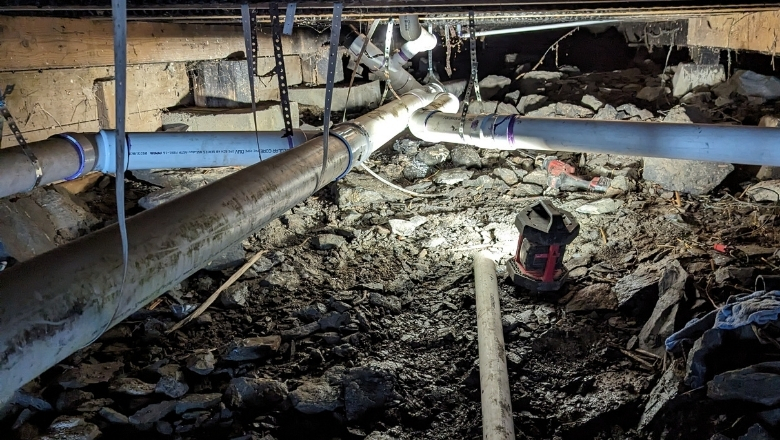
- In crawl spaces and utility areas where pipes are rarely inspected
Simple Maintenance Tips to Prevent Problems
Consistent, low-effort maintenance is what separates homeowners who rarely deal with plumbing emergencies from those who seem to face them constantly. None of these habits requires tools or specialized knowledge. They simply require paying attention on a regular basis.
Practical plumbing maintenance tips organized by frequency:
How Often | What to Do |
| Monthly | Check under sinks for moisture, drips, or staining |
Every 3 months | Pour hot water down slow drains to reduce buildup |
| Every 6 months | Inspect washing machine hoses for cracking or bulging |
Annually | Schedule a professional plumbing inspection of the full system |
The U.S. Geological Survey notes that water quality in residential systems can shift over time, particularly in older homes, making periodic inspection of pipes and fixtures important for both safety and performance.
A simple at-home maintenance checklist:
- Monitor your water bill monthly for unexplained increases
- Test shut-off valves periodically to confirm they still turn properly
- Keep drains clear of grease, hair, and debris
- Note any changes in water pressure across fixtures
Signs Your Plumbing Needs Attention
Plumbing problems signal themselves before they become serious, and homeowners who catch them early tend to deal with far less disruption and expense. Knowing which symptoms warrant action is a core part of home plumbing troubleshooting.
Signs of plumbing problems and what they typically mean:
Symptom | Likely Cause | Suggested Next Step |
| Sudden drop in water pressure | Leak, buildup, or pressure regulator issue | Professional inspection |
Slow drains across multiple fixtures | Blockage deeper in the drain line | Camera inspection or cleaning |
| Discolored water | Pipe corrosion or sediment disturbance | Water quality and pipe assessment |
Unexplained increase in water bills | Hidden leak somewhere in the system | Leak detection service |
| Water stains on walls or ceilings | Active leak inside the structure | Immediate professional evaluation |
Additional warning signs that should not be ignored:
- Gurgling sounds from drains after fixtures are used
- Persistent odors near drains or in utility areas
- Wet spots in the yard without a clear explanation
- Fixtures that run warm when only the cold tap is open
When to Call a Professional Plumber
There is real value in knowing your system well enough to handle minor maintenance, but there is equal value in knowing where that responsibility ends. Some situations genuinely require professional tools, professional training, and professional accountability.
Situations that call for professional support:
- Any issue involving the main supply line or primary drainage stack
- Suspected hidden leaks that cannot be located visually
- Recurring blockages that return despite repeated clearing
- Water heater concerns, particularly those involving pressure or temperature
- Any problem affecting multiple areas of the home at once
What to have ready before calling a plumber:
- The location of your main shut-off valve
- A description of when the problem started and how it has changed
- Notes on any recent changes to the home, such as new appliances or renovations
- Your water heater’s age and model, if relevant to the issue
A More Informed Homeowner Makes Better Decisions
Plumbing is one of those systems that rewards attention and punishes neglect in roughly equal measure. For homeowners in Burlington, Marysville, Stanwood, and Mount Vernon, where homes vary widely in age and construction, developing a working understanding of residential plumbing basics is one of the most practical things a homeowner can do to protect their property and avoid unnecessary costs.
Alpine Plumbing Services, Inc. works with homeowners throughout the region on everything from routine plumbing maintenance to complex diagnostics and repairs. Our team brings local knowledge and genuine service experience to every job, which means the advice you receive is grounded in the realities of homes in this specific area. If something in your home has been on your mind or you simply want a professional set of eyes on your system, reaching out to us at (360) 939-2424 is a straightforward place to start.
