
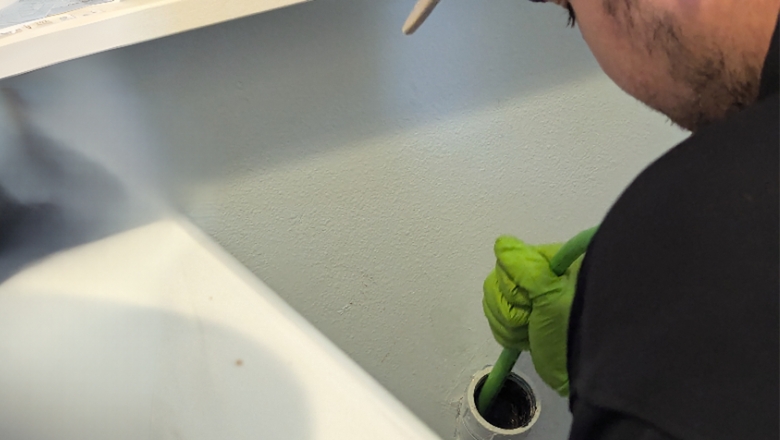
A kitchen sink that clogs again within days of being cleared isn’t a coincidence, and it isn’t a sign that you’re doing something wrong at the surface. It means the real blockage was never removed in the first place; only the visible symptom was. If you leave it alone, that hidden buildup will just keep getting thicker every time water runs through it, until a slow drain becomes standing water, a backed-up sink, or water damage to the cabinet below. At Alpine Plumbing, we see this exact pattern in kitchens throughout our service area, and it almost always traces back to something no amount of surface scrubbing can reach.
This blog explains why your kitchen sink keeps clogging even after cleaning, the plumbing problems most homeowners never see, and how professional drain cleaning gets the problem out of the way for good, not just for now.
We’ll also discuss the mistakes that can make clogs worse, and the warning signs that tell you it’s time to stop troubleshooting and call a professional plumber.
Why Does Your Kitchen Sink Keep Clogging?
Most people assume a clog is a single event: something gets stuck, you take it out, and that’s that. Not usually how it goes in a kitchen drain. Every time you flush, there’s a microscopic film of residue left on the wall of the pipe, and that never fully leaves with a plunger or a commercial cleaner.
The Sticky Layer Most Homeowners Never See
The inside of your pipe isn’t just coated in ordinary grime. It’s more like a living colony. Bacteria that feed on food residue produce a sticky, protective matrix known as a biofilm, which adheres to the walls of pipes much in the same way that plaque adheres to teeth. Rinsing the sink or running hot water only disturbs the surface of this layer; it does not remove it. The same clogged kitchen sink problem returns within days or weeks.
Why Your Garbage Disposal Isn’t Solving the Problem
A common assumption is that running the garbage disposal breaks the clog cycle. In reality, a disposal only grinds solids into smaller pieces before sending them into the same pipe; it does nothing to stop grease buildup in pipes. Those smaller particles still travel downstream and stick to the grease and biofilm already lining the pipe, adding to the blockage rather than clearing it.
Hidden Plumbing Problems That Cause Recurring Clogs
When a kitchen sink drain repair keeps failing to hold, the issue is often structural rather than something that built up naturally. These are physical conditions in the pipe itself that make clogging almost inevitable no matter how carefully you maintain the sink.
1. Pipe Bellies and Poor Slope
A sagging section of pipe, or one that wasn’t sloped correctly during installation, leaves a low spot where water sits instead of moving along. Grease and debris don’t wash past that dip; they settle right into it, which is why the same kitchen drain blockage shows up in that one spot over and over.
2. Corrosion From Long-Term Buildup
Biofilm bacteria feed on organic matter and produce acidic discharges that slowly corrode the metal pipe walls, especially in older lines constructed of galvanized or cast iron. That corrosion roughens the inside surface, giving future debris even more to grab onto, which is why clogs tend to get more frequent the longer they go unaddressed.
3. Root Intrusion in Older Lines
In older homes, tree roots can work their way into small cracks or joints in the drain line, creating a snag point that catches grease and food buildup in drains every time water passes. This type of blockage is well out of the reach of a sink snake or chemical cleaner.
How Professional Drain Cleaning Solves Recurring Kitchen Sink Clogs
At this point, the cleaning products and home tools cease to work, and a documented, tool-based approach takes over. At Alpine Plumbing, our technicians begin with a drain inspection to identify exactly where the blockage sits and what’s causing it before recommending a fix.
For grease and biofilm buildup coating the full length of the pipe, we use hydro jetting services; high-pressure water directed through the line to strip buildup from the pipe walls rather than just punching a hole through the clog. For localized blockages, a drain snake service targets the exact point of obstruction. Homeowners across Stanwood, Burlington, Mount Vernon, and Marysville rely on this combination to get a kitchen line fully clear, not just temporarily flowing again.
A drain that flows again isn’t the same as a drain that’s actually clean.
Common Drain Cleaning Mistakes Homeowners Should Avoid
It’s tempting to buy a chemical cleaner or rent a snake, but these tools often trade a small problem for a bigger one.
| Mistake | What It Actually Causes |
| Repeated chemical drain cleaner use | Corrodes pipe walls over time, especially older plumbing |
| Snaking without proper technique | Can scratch or puncture pipe walls, creating new snag points |
| Running hot water on greasy dishes | Melts grease temporarily, letting it re-harden further down the line |
| Ignoring a slow drain | Allows biofilm and debris to keep thickening undisturbed |
Biofilm in kitchen drains can be home to bacteria like E. coli and Pseudomonas, as well as damage the plumbing, because the biofilm is feeding on raw food residue. Repeated exposure while working around an untreated clog isn’t something to take lightly, and it’s one more reason surface-level fixes fall short of clogged drain solutions that actually last.
How Routine Drain Cleaning Helps Prevent Future Clogs
Consistent drain maintenance is what keeps a kitchen line from reaching the point of a full blockage in the first place.
- Let grease and oil cool and solidify before scraping it into the trash, never the sink.
- Use cold water, not hot, when running the disposal; cold water keeps fats solid, so they pass through instead of coating the pipe.
- Place a sink strainer in your drain to keep food particles out of the line.
- Schedule residential drain cleaning services on a routine basis rather than waiting for a backup.
- Have older plumbing inspected periodically for early signs of corrosion or pipe sagging.
Skipping routine maintenance doesn’t prevent a clog; it just delays it until the buildup is harder and more expensive to remove.
Signs You Need Professional Drain Cleaning Immediately
There are certain warning signs when you should call for drain cleaning services instead of trying another home remedy.
- Water draining noticeably slower even right after cleaning
- Gurgling sounds from the drain or nearby fixtures
- Foul odors that return within days of clearing them
- Multiple drains backing up at the same time
- Standing water that won’t clear after several minutes
Ignoring these signs doesn’t make the clog go away. It allows the buildup to spread further into the line, turning a simple fix into a full pipe replacement.
Keeping Your Kitchen Drains Genuinely Clear
If your kitchen sink keeps clogging after cleaning, it almost always means there’s something that surface tools can’t get to: a biofilm layer coating the pipe, grease that’s hardened into the walls, or a structural problem like a pipe belly or root intrusion. Store-bought cleaners and disposals only manage the symptom, which is why the same kitchen plumbing problems tend to resurface again and again.
At Alpine Plumbing, our approach to plumbing drain cleaning starts with identifying the actual source of the blockage, not just clearing what’s visible. As a locally owned drain cleaning company serving Stanwood, Burlington, Mount Vernon, and Marysville, we bring the inspection tools and hydro-jetting equipment needed to remove buildup at its root, so you’re not back in the same spot a few weeks later.
If your kitchen sink keeps clogging no matter how often you clean it, it’s worth having it looked at before the problem grows. Call Alpine Plumbing at (360) 939-2424 and let our team clear it for good.
