
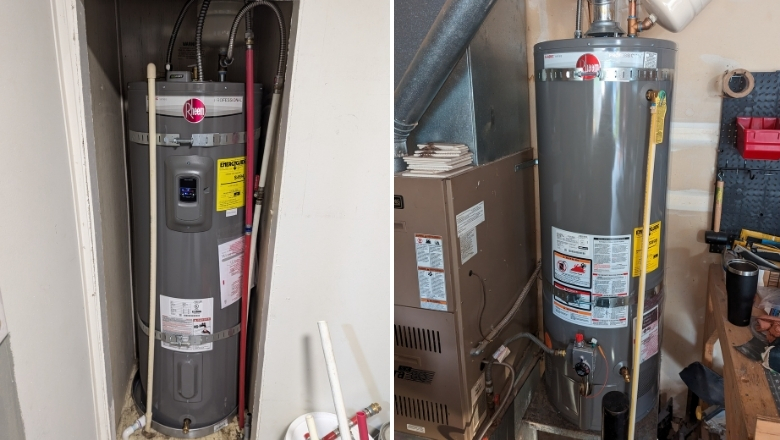
Most people blame a leaky pipe, a bad water heater, or an old dishwasher for problems that are actually caused by something invisible flowing through every tap in the house. Water hardness doesn’t come with a loud, catastrophic failure. It works slowly, coating pipes, appliances, and fixtures until the damage is too far gone to ignore. Left untreated, it will shorten the life of nearly every water-using appliance you own. That’s where Alpine Plumbing comes in.
This article breaks down exactly what separates hard water from soft water, the real mechanics behind a water treatment system, and how to know when your home has crossed the line into needing one. By the end, you’ll know your water like most homeowners never will.
What Is Hard Water?
The GPG Scale: How Hard Is Your Water?
Hard Water is graded by a number; it is not a guess. Knowing this scale is the first step to knowing if your home actually needs treatment.
The standard way to measure water hardness is in grains per gallon (GPG), where one grain equals roughly 17.1 mg of dissolved calcium buildup and magnesium minerals per gallon. The U.S. Geological Survey breaks it down like this:
| GPG Range | Classification | What You’ll Notice |
| 0 – 1.0 | Soft | No buildup, easy lathering |
| 1.0 – 3.5 | Slightly Hard | Minor spotting |
| 3.5 – 7.0 | Moderately Hard | Soap scum, dull laundry |
| 7.0 – 10.5 | Hard | Visible scale buildup, spotty dishes |
| 10.5+ | Very Hard | Heavy mineral deposits, appliance strain |
Most homeowners are dealing with hard water symptoms without knowing the actual number behind it, because most homes are never tested.
What Is Soft Water?
Soft water is under 1.0 GPG. It contains almost no dissolved calcium or magnesium, so it lathers instantly, rinses clean, and leaves no residue on glass, tile, or skin.
Hard Water vs. Soft Water: Key Differences
| Feature | Hard Water | Soft Water |
| Mineral Content | High | Low |
| Soap Efficiency | Low | High |
| Scale Formation | High | Minimal |
| Appliance Lifespan | Shorter | Longer |
| Cleaning Effort | More | Less |
| Laundry Results | Rough | Softer |
| Skin & Hair | Dry | Smoother |
One number changes everything: cross 7 GPG, and your appliances start losing years of life every single day they run.
How Hard Water Affects Your Home
Hard water damage compounds. If it’s never fixed, what starts as a cosmetic annoyance turns into a structural plumbing problem.
Troubles
- Pipe scaling narrows the internal diameter, reducing flow and causing low water pressure.
- Mineral layers coat heating elements, cutting water heater efficiency and raising energy use.
- Faucet buildup and hard water stains accumulate on fixtures and glass.
- Dry skin and dull hair result from soap that can’t fully rinse away.
Preventive measures
- Schedule professional water testing to get your exact GPG number.
- Flush your water heater periodically to reduce mineral buildup.
- Address early scale signs before they reach interior pipe walls.
How Soft Water Improves Everyday Living
Once minerals are removed, soap and detergent work as designed. That single change cascades into cleaner dishes, softer laundry, and noticeably smoother skin and hair after every shower, with less product used to get there.
How a Water Treatment System Works
1. The Ion-Exchange Process
A residential water softener doesn’t filter minerals out; it swaps them for something less destructive. This exchange explains why softeners need to be recharged periodically.
Inside the resin tank, water passes through negatively charged beads that contain sodium ions. As hardness minerals pass through, the resin captures calcium and magnesium and releases sodium in their place. Typically, this occurs every five to ten days, at which time the resin’s capacity is exhausted. The system is then regenerated by flushing the trapped minerals out with a saltwater rinse.
If a softener regenerates too often, it’s not broken; it’s undersized for your home’s actual water use.
For homes concerned with more than hardness alone, whole-home water filtration can run alongside a softener to address sediment, chlorine, or taste issues at the same time.
Benefits of Installing a Water Treatment System
- Extended appliance lifespan for water heaters, dishwashers, and washing machines
- Stronger plumbing protection against internal scale buildup
- Less soap scum, fewer stains, less scrubbing
- Noticeably better skin, hair, and laundry results
Choosing the Right Water Treatment System
Sizing Your Softener Correctly
Sizing is not guesswork; there is a formula based on your actual water use and hardness number.
Multiply daily household water use by your GPG hardness to find your required daily grain removal. A family of four using about 300 gallons a day with 10 GPG water will require a system rated to remove about 3,000 grains per day. Undersized systems are constantly regenerating and wear out faster; oversized systems waste salt.
Maintenance Tips for Water Treatment Systems
- Check salt levels monthly and refill before the tank runs low.
- Clean the resin bed periodically to preserve exchange capacity.
- Include the softener in routine plumbing maintenance visits.
- Replace pre-filters on schedule to avoid reduced flow.
Is a Water Treatment System Worth the Investment?
If your water tests above 7 GPG, the honest answer is yes; the mineral damage compounds daily, whether you address it or not. For homeowners in Burlington, Marysville, Mount Vernon, and Stanwood, local water sources vary enough that a home-specific test is the only reliable way to know where you stand.
Making the Right Call for Your Water
Hard water isn’t a cosmetic inconvenience; it’s a slow, measurable drain on your plumbing, appliances, and daily comfort, and the GPG number behind it tells you exactly how urgent the problem is. Soft water reverses that damage, protecting everything from your water heater to your skin.
At Alpine Plumbing, we’ve spent over 23 years helping homeowners across Snohomish, Skagit, and Island counties understand their household water quality and choose a system sized correctly for their home, not a generic package. Our team tests, evaluates, and installs with the same attention to detail on every project.
If your water is leaving stains, wearing out appliances early, or just doesn’t feel right anymore, don’t wait for the damage to become permanent. Call Alpine Plumbing at (360) 939-2424 to schedule a water quality assessment today.
FAQs
1. What is the key difference between hard water and soft water?
Hard water carries high levels of dissolved calcium and magnesium; soft water has had those minerals removed, leaving it cleaner-rinsing and gentler on pipes.
2. How can I tell if my home has hard water?
Watch for chalky residue on fixtures, reduced lathering, spotty dishes, and mineral crust around faucets, then confirm with a hardness test.
3. Does a water softener also filter drinking water?
No. Softeners target hardness minerals specifically; a separate filtration system handles taste, sediment, or chlorine concerns.
4. How long does a water treatment system last?
A well-maintained system can serve a household for well over a decade. The resin bed and filters are the parts that eventually wear out, so those get swapped out periodically rather than replacing the whole unit.
5. Is hard water harmful to my health?
Not really, you can drink it without concern, and some people don’t mind the mineral taste. The problems it causes show up on your skin, in your hair, and in your plumbing, not in your health.
6. How much maintenance does a water softener require?
Honestly, not much. Keep an eye on the salt level so it doesn’t run dry, and give the resin a clean every so often. Most homeowners handle it in a few minutes a month.
7. Should I install a whole-house filtration system or a water softener?
Softeners address hardness, and whole-house filtration can address a much broader range of contaminants. It’s just a matter of what you need. Many homes have both together.
