
A pipe doesn’t send a warning email before it fails. It rots, thins, or cracks in total silence for years, hidden behind drywall and under flooring where no one looks until something goes wrong. Most homeowners’ first clue isn’t a sound or a smell, but water pooling where it shouldn’t, or a bill that’s gone up for no apparent reason. By then, the damage is already spreading into subfloors, framing, and foundations, turning what could have been a simple fix into a full-scale renovation that costs far more in time, stress, and disruption than early action ever would have. This is where Alpine Plumbing steps in, helping homeowners spot these problems long before they become disasters, rather than after the water has already found its way in.
This blog breaks down what actually shortens a plumbing system’s life, which upgrades are worth prioritizing first, and the specific warning signs that mean it’s time to act rather than wait another season. You’ll also learn about a piping material still hidden behind the walls of millions of homes today, why it matters much more than most homeowners realize, and what a realistic plan for the next ten years actually looks like.
Why Long-Term Plumbing Planning Matters for Homeowners
Some plumbing failures take decades to develop, working silently within a system never designed to last forever. There is one material in particular that explains why planning ahead is so much more important than reacting after something has already gone wrong.
The Hidden Pipe Problem in Older Homes
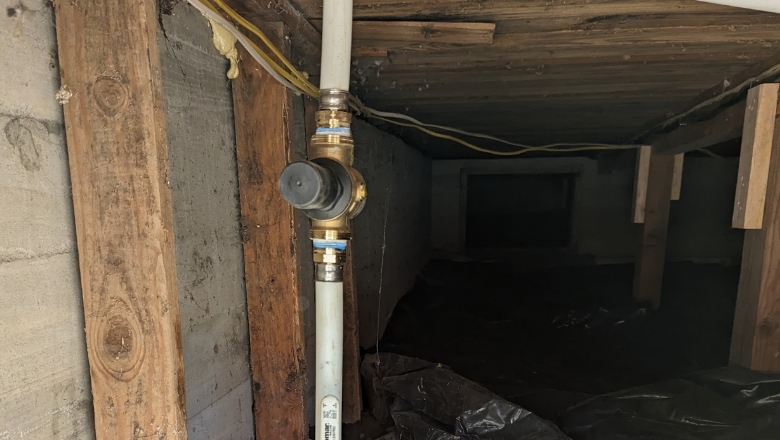
Between 1978 and 1995, builders across the country installed polybutylene piping in an estimated 6 to 10 million homes, marketing it as a cheaper, faster alternative to copper. Municipal water has chlorine in it, which slowly oxidizes this plastic from the inside and creates micro-fractures that can cause sudden catastrophic bursts without warning at all. Many insurers won’t insure homes that have it, and some lenders flag it during financing.
If your home was built in that window, this is not a cosmetic issue; it’s a plumbing system lifespan issue with real financial consequences attached, including denied insurance claims, financing complications and lower home value and improvements at resale.
A pipe that looks fine today can still be corroding on the inside.
Plumbing Upgrades That Improve Efficiency and Reliability
Not every upgrade has to be all at once, but a few will pay outsized returns almost immediately, both in terms of comfort and what you will see on your next water bill.
Modern plumbing fixtures built to Water Sense standards use less water meaningfully without any drop in performance. Replacing an old showerhead can save about four gallons per shower, and replacing old faucet aerators with efficient models can save about 700 gallons a year. Divide that across a household, and water-efficient plumbing is no longer a minor tweak but a real reduction in what your home pulls from the supply line.
Priorities worth considering:
- Water-saving fixtures for showers, faucets, and toilets
- An energy-efficient water heater, tank or tankless
- Bathroom plumbing upgrades, including low-flow toilets
- Kitchen plumbing upgrades like updated disposals and supply lines
- Smart plumbing technology, such as automatic leak-detection shutoff valves
| Old Standard Fixture | Modern Equivalent | Approximate Water Savings |
| Older showerhead | Water Sense showerhead | ~4 gallons per shower |
| Older faucet aerator | Water Sense aerator | ~700 gallons per year |
| Older toilet | High-efficiency toilet | 20–60% less water per flush |
Signs Your Current Plumbing System May Need an Upgrade
Some signs are loud. Others are easy to explain away until the problem is no longer minor.
- Sudden or gradual water pressure issues in multiple fixtures.
- Water that looks discolored or tastes metallic.
- Repeated clogs require frequent drain system maintenance.
- Corrosion or pitting is visible on exposed pipe sections.
- Water bills are climbing with no change in household usage.
- Banging, whistling, or rattling sounds inside the walls.
Ignore enough of these together, and replacing old pipes eventually stops being optional. What begins as a slow drip behind a wall can, if ignored, turn into a burst line, structural water damage, and mold that spreads faster than most homeowners expect. A professional plumbing safety inspection catches this before it reaches that stage.
How Preventive Improvements Can Reduce Future Repair Costs
Waiting for something to break almost always costs more than fixing it early, and the cost isn’t only financial. Consider this: Water Sense-labeled products helped Americans save 1.2 trillion gallons of water in just 2023. That kind of number doesn’t come from one big fix. It comes from millions of small, consistent upgrades made before anything actually broke.
A home maintenance checklist doesn’t need to be complicated to make a difference. Most of what protects plumbing efficiency over time comes down to a handful of habits:
- Look over visible pipes and joints twice a year.
- Flush the water heater once a year to clear out sediment.
- Keep an eye on water pressure and note if it changes.
- Check toilets, sinks, and appliances for leaks that aren’t obvious.
- Have a plumber come take a look every year or two.
This kind of preventative plumbing maintenance is what separates cost-saving home improvements from expensive emergency pipe replacement down the road, and is integral to any serious long-term home maintenance plan.
Building a Future-Ready Home with Professional Plumbing Solutions
Planning residential plumbing upgrades is far easier with a professional plumber who understands your home’s age, materials, and local water conditions. Our team at Alpine Plumbing has spent more than two decades guiding homeowners through fixture upgrades, plumbing installation, and full plumbing modernization projects.
We provide reliable plumbing services and plumbing repair services to homeowners throughout Burlington, Marysville, Stanwood, and Mount Vernon, and we know the specific plumbing challenges tied to homes in these communities. Whether you’re dealing with plumbing for older homes or planning ahead for a remodel, we build plumbing solutions for homeowners around what your system actually needs, not a generic checklist.
Planning Today for a Leak-Free Tomorrow
An aging plumbing system rarely announces itself before it fails, which is exactly why waiting is the riskiest choice a homeowner can make. From hidden polybutylene piping quietly oxidizing behind the walls to inefficient fixtures driving up monthly bills, the signs are almost always there long before the damage becomes visible. Recognizing them early is the difference between a manageable upgrade and an emergency repair that disrupts your whole house.
At Alpine Plumbing, we help homeowners move from guesswork to a clear, workable plan, whether that means a single fixture replacement or a broader approach to home plumbing improvements. Every inspection, repair, and upgrade our team handles is built around home plumbing maintenance that actually holds up over time, backed by the same attention to detail and honest communication our customers throughout Snohomish, Skagit, and Island counties have come to expect from us.
If it’s been a while since your plumbing was checked, don’t wait for a burst pipe or a failed inspection to force the decision for you. Call us at (360) 939-2424 to schedule an inspection and start building a whole-home plumbing solutions plan that protects your home, your budget, and your peace of mind for the next decade.
FAQs
1. How do I know if my home’s plumbing needs to be upgraded?
A few things usually give it away. Water pressure that keeps dropping, water that looks a little off or tastes metallic, drains that clog more than they used to. If your home was built between 1978 and 1995, that’s another reason to pay closer attention, since pipes from that era tend to need a second look.
2. Which plumbing improvements offer the best long-term value?
If you can only take on a couple of upgrades right now, water-efficient fixtures and a newer water heater are the ones worth starting with. Old pipe materials are worth replacing, too, just maybe not in the same year. These are the upgrades homeowners tend to notice the most, both in day-to-day performance and in what they don’t end up paying for later.
3. Will replacing old plumbing fixtures save me money on my water bills?
Yes. Modern fixtures use significantly less water per use, and that adds up to noticeable savings across a year.
4. How often should a home’s plumbing system be professionally inspected?
Most homes benefit from an inspection every one to two years, sooner if the home is older or already showing warning signs.
5. Are plumbing upgrades worth making before remodeling or selling a home?
Yes. Modern plumbing works better day to day, prevents surprises at inspections, and can allow for better resale value.
6. Why should you invest in preventative plumbing improvements rather than waiting for repairs?
It really comes down to disruption and cost. It’s almost always easier and more affordable to fix an issue early than to deal with the aftermath of a burst pipe or a leak that’s been hidden for weeks. Staying ahead of it just saves you the headache later.
